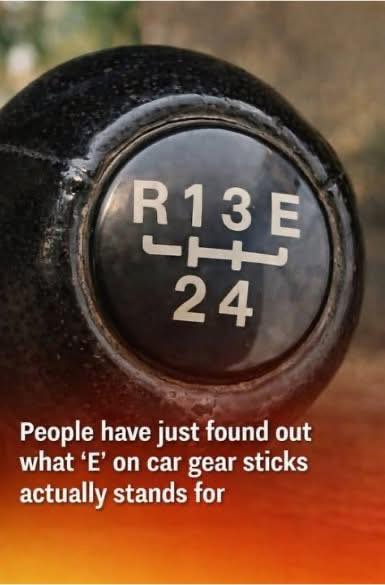
The Meaning Behind the “E” Gear in Older Automatic Cars
A Familiar System with a Lesser-Known Detail
For decades, automatic gear selectors have been one of the most recognizable elements inside a . Drivers quickly learned the standard markings such as P for Park, N for Neutral, D for Drive, and R for Reverse.
Vehicle Shift Levers
These simple labels provided clear control over vehicle movement and safety. However, some older cars included an additional marking that is less familiar to many modern drivers: the letter “E.”
Encountering this extra option in older vehicles can raise questions, especially for those accustomed to newer transmission systems that no longer use it.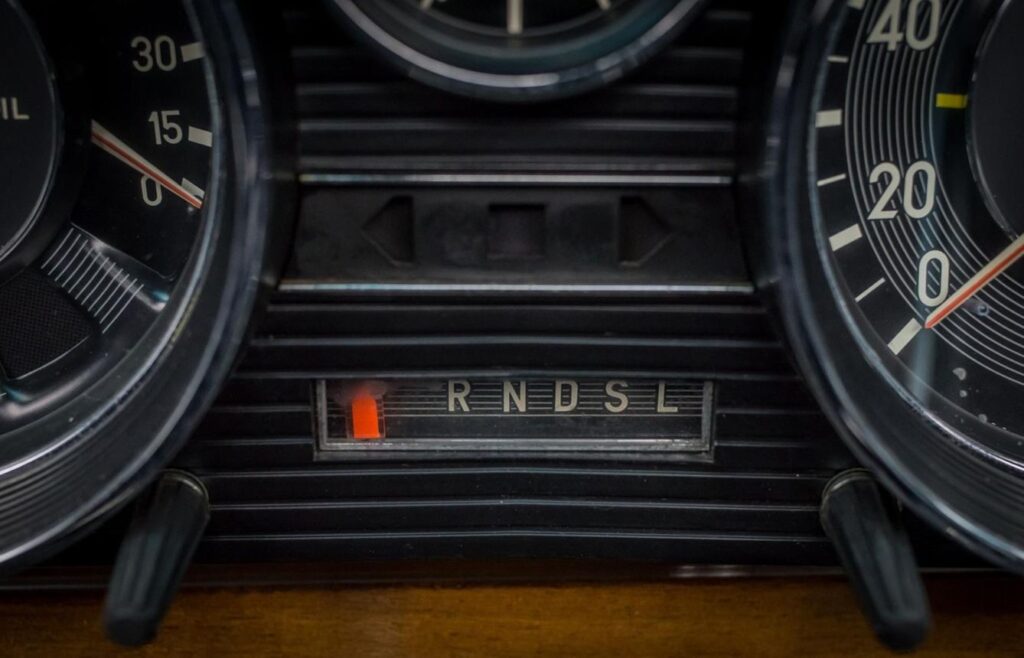
What the “E” Stood For
In earlier generations of automatic vehicles, the “E” typically stood for “Economy.” This mode was introduced as a way for drivers to influence how their car used fuel during everyday driving
Defensive driving course
Rather than focusing on power or performance, the economy setting was designed to reduce fuel consumption. It provided a simple way to make driving more efficient, particularly during steady or long-distance travel.
This feature appeared during a time when fuel efficiency was becoming an increasing concern for both manufacturers and drivers.
How Economy Mode Worked
When the “E” mode was selected, the vehicle’s transmission adjusted its behavior to operate more efficiently. One of the main changes involved shifting gears at lower engine speeds.
By reducing engine revolutions per minute, the car consumed less fuel while maintaining smooth operation. Acceleration became less aggressive, favoring gradual increases in speed rather than rapid bursts of power.
This approach was especially useful on highways or during consistent driving conditions, where maintaining a steady speed was more important than quick acceleration.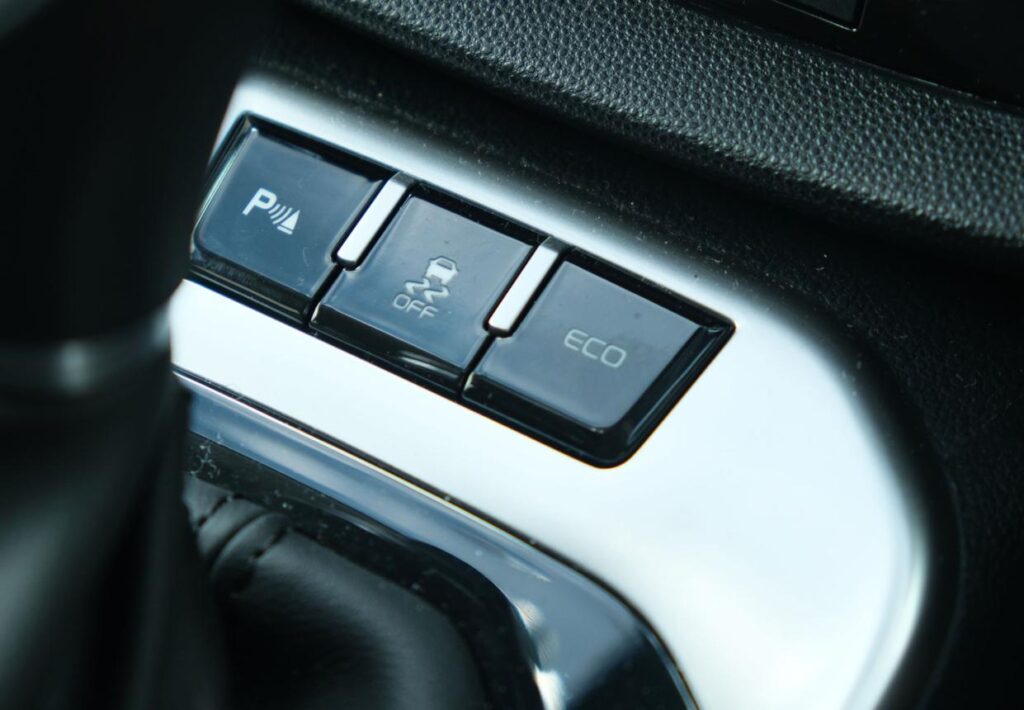
Limitations of Early Systems
While useful, early economy modes were relatively simple compared to modern standards. They relied on fixed mechanical adjustments rather than real-time data.
Drivers had to decide when to activate the setting, and the system could not adapt automatically to changing conditions such as terrain, traffic, or driving style.
Despite these limitations, the “E” mode represented an important step toward improving vehicle efficiency in an era before advanced electronics.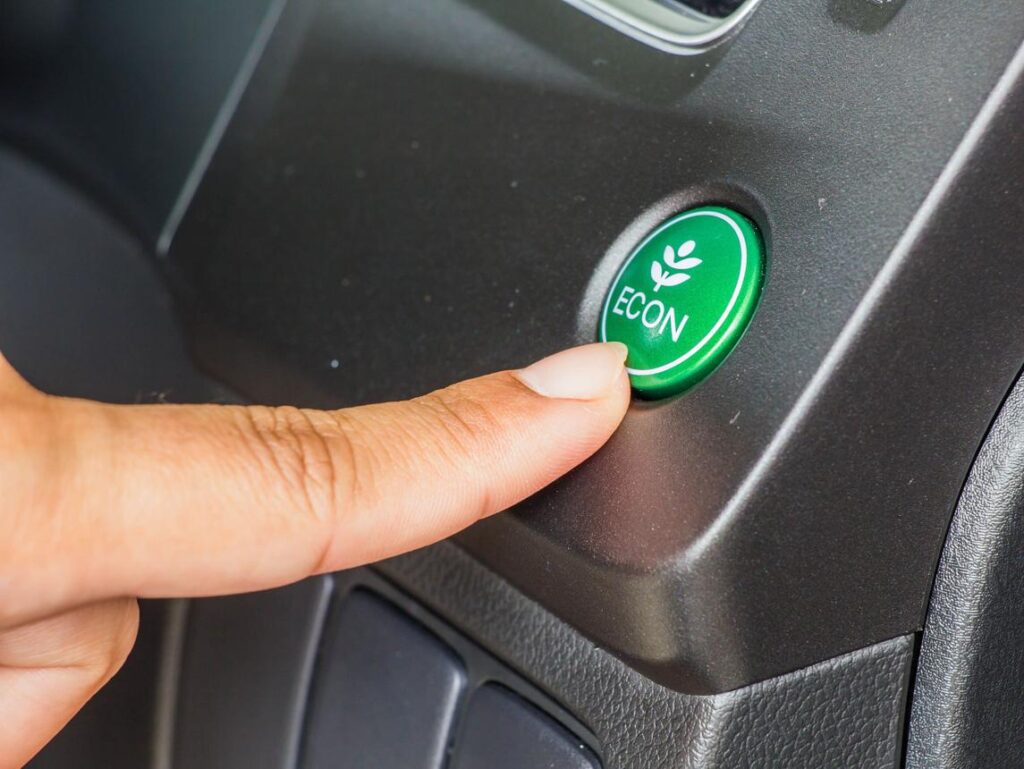
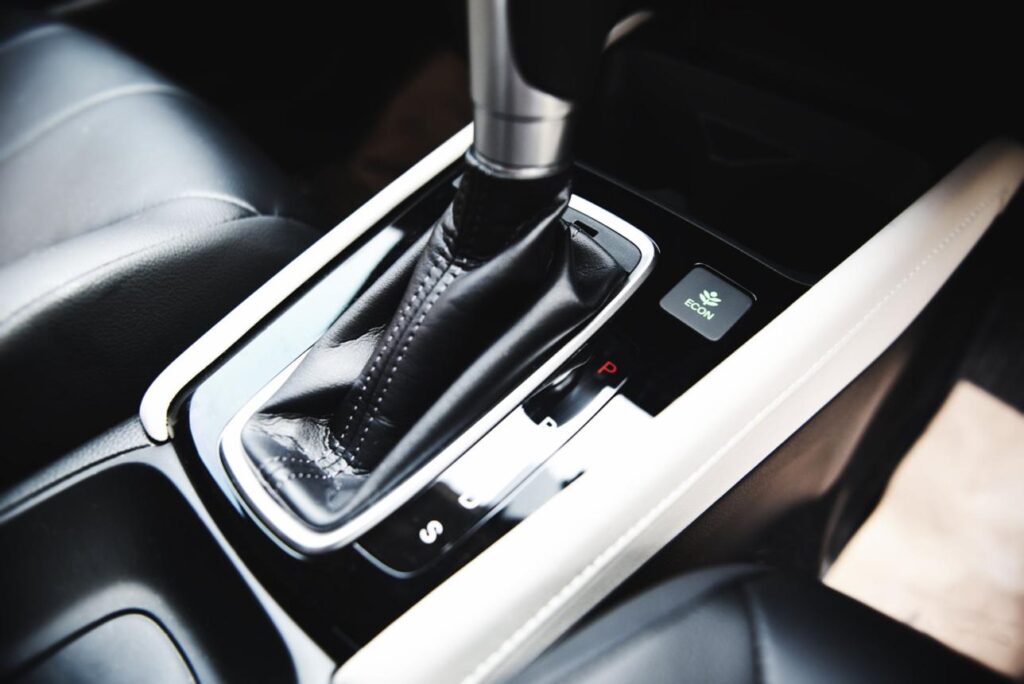
Despite these changes, the original idea behind the “E” gear remains relevant: reducing energy use while maintaining practical performance.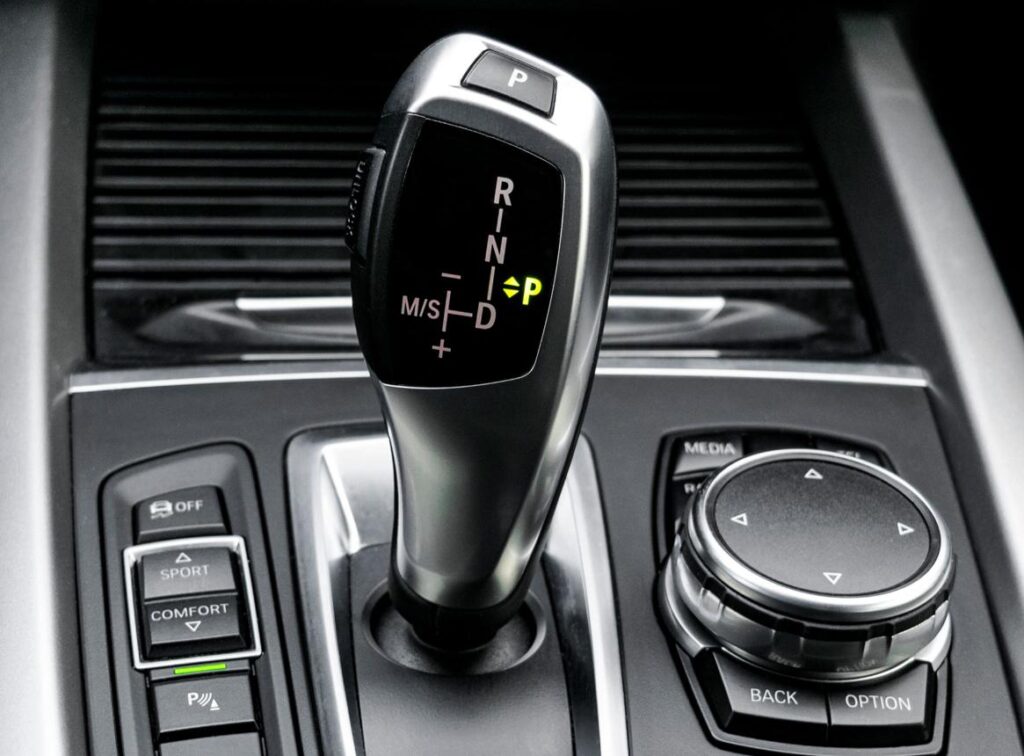
Looking Back at Automotive Progress
Seeing an “E” on an older offers a glimpse into a different era of design. It represents a time when drivers played a more direct role in managing efficiency.
Defensive driving course
Today’s achieve similar goals through automation, reducing the need for constant decision-making behind the wheel.